%2Ffit-in%2F250x250%2Fguide_websites%2F181443%2Fimages%2F1784209800128rockybranchcharterslogo.png&w=1920&q=100)
Flats Fishing Aransas Pass TX Guide
Shallow Water Fishing in Aransas Pass - What to Expect
%2F%2Fusers%2Feee511d1-1590-40c9-9277-ab7604fe87ea%2Fimages%2Fyoung-angler-fishing-aransas-pass-2551.jpg&w=1920&q=75)
Fishing, Tours Adventures by Captain Eric Whitworth in July
Meet your Captain Eric Whitworth
- Rocky Branch Charters: Rockport Kayak Fishing


Summary
Fishing, Tours Adventures around Aransas Pass on Thursday July offered an authentic day on the water. Green rod in hand, working shallow waters where the action happens. This is where local expertise meets genuine coastal fishing opportunity.
Fishing with Captain Eric Whitworth - Rates & Booking
Captain Eric Whitworth of Rocky Branch Charters on Thursday July brought the experience together on Aransas Pass waters. This shallow water fishing opportunity puts you in contact with one of Texas coastal fishing's most productive zones. The approach is straightforward - get on the water early, work the flats systematically, and stay ready when fish locate your presentation.
Rocky Branch Charters operates with the local knowledge that separates productive days from crowded casting. Captain Whitworth reads the water, adjusts techniques based on conditions, and keeps focus on connecting you with fish. Whether you're handling a green rod in shallow water or learning proper technique, the experience centers on authentic coastal fishing rather than rushed tourism.
To book your fishing day or learn about current rates and availability, contact Rocky Branch Charters directly. Inquire about what gear is included, whether tackle is provided, and what time the boat launches. Most shallow water operations begin early and run through midday when flats fishing peaks.
Highlights of Aransas Pass Shallow Water Fishing
Shallow water fishing around Aransas Pass carries a distinct character. The flats hold fish consistently, and the water clarity changes dramatically with tide and wind. Working these shallow zones means seeing feeding activity, understanding fish behavior in real time, and adapting to what the water reveals throughout the day. There's no hiding in shallow water - both angler and fish make decisions quickly.
The experience builds on reading conditions. Wind direction, tide stage, sun position, and water clarity all shift the game. Captain Whitworth navigates these variables, positioning the boat where opportunity concentrates. A successful shallow water day often includes multiple hookups, various techniques tested, and the satisfaction of understanding why certain presentations worked.
Local Fishing Insights: Shallow Water Techniques
Aransas Pass shallow water fishing operates on principles refined by decades of coastal anglers. The flats environment demands precise presentations and quick decision-making. Fish in shallow water respond to movement, shadow, and unnatural patterns faster than deeper water counterparts. Casting accuracy matters significantly, and patience between casts often yields better results than constant casting.
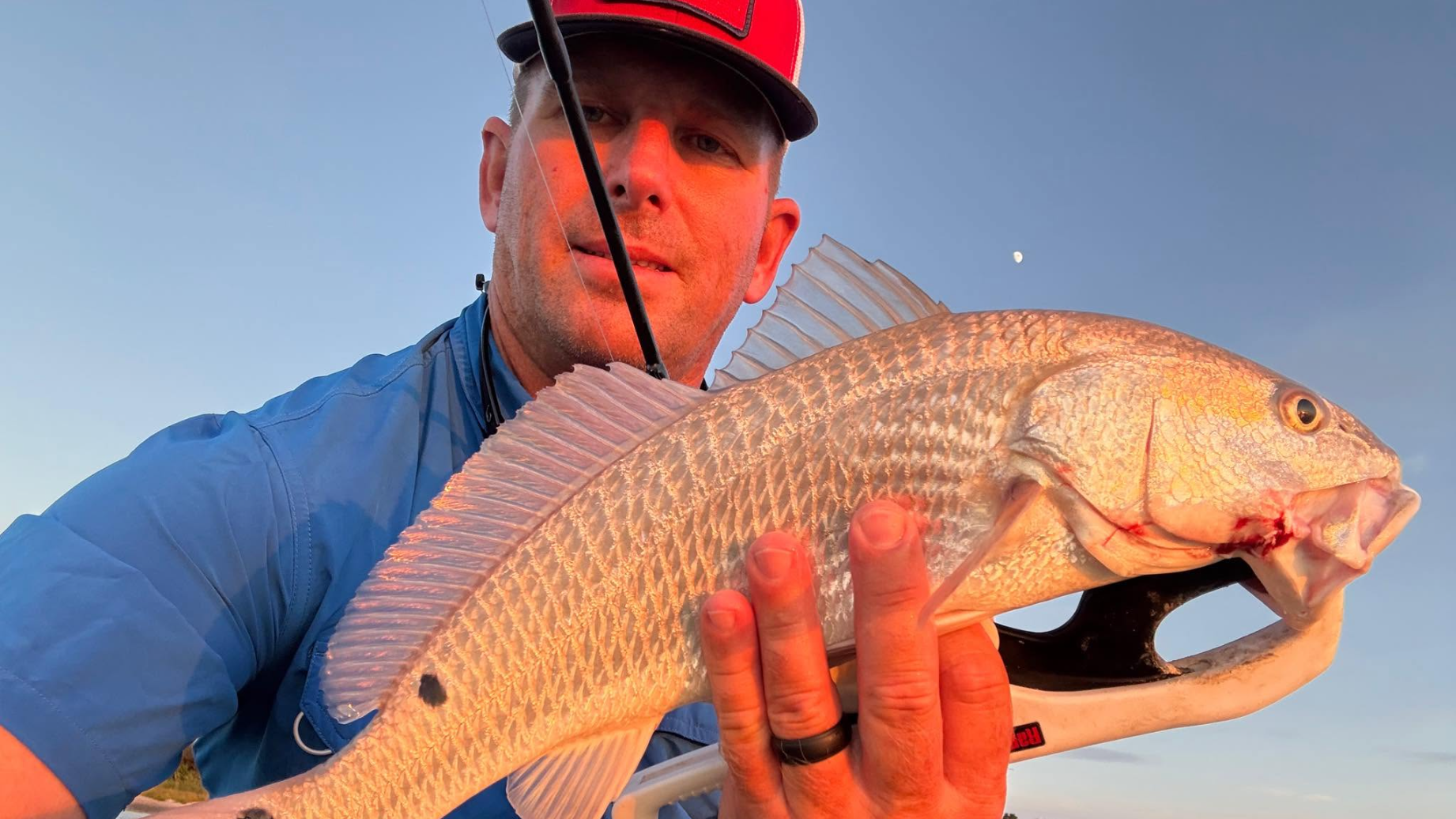
The green rod visible in the image represents standard shallow water equipment - light enough for all-day comfort, responsive enough to detect subtle strikes, and strong enough for the species commonly targeted in these waters. Shallow water fishing often means sight fishing or reading subtle surface disturbances. The water depth ranges typically keep you in contact with structure, grass, and bottom composition that holds fish.
Tide movement shapes shallow water fishing schedules. Rising tide pushes fish onto flats to feed, while falling tide concentrates them in channels and deeper holes. Morning light and midday sun affect visibility and fish behavior differently. Captain Whitworth coordinates timing with tidal windows and seasonal patterns, maximizing your chances during the most productive hours.
The skill progression in shallow water fishing accelerates quickly. Early mistakes become immediately visible - bad casts spook feeding fish, improper retrieves trigger following strikes that never convert, and positioning errors eliminate opportunity before fishing even begins. Successful anglers adapt by observing outcomes, adjusting approach, and reading what the water communicates through visual and tactile feedback.
Plan Your Aransas Pass Fishing Day
A typical shallow water fishing day begins before sunrise. Early light pushes fish onto flats as feeding instincts activate. You'll be positioning the boat, assessing wind and current, and preparing tackle during this critical window. Mid-morning often sees continued activity, with a lull during brightest midday hours as fish move to deeper shade.
Bring sunscreen, polarized sunglasses to reduce glare, and comfortable clothing that allows unrestricted casting movement. Shallow water fishing means standing and casting repeatedly - comfort footwear and a cap make extended days more enjoyable. Most operations provide basic amenities, though confirming what's available before booking prevents unnecessary discomfort.
The group size typically accommodates two to four anglers per boat, allowing enough space for multiple casters without interference. Depending on your skill level and comfort with open water, you might focus on technique refinement or simply enjoying the rhythm of casting and retrieving. Either approach generates authentic shallow water experience.