%2Ffit-in%2F250x250%2Fguide_websites%2F181443%2Fimages%2F1784209800128rockybranchcharterslogo.png&w=1920&q=100)
/users/eee511d1-1590-40c9-9277-ab7604fe87ea/ratecard/port-aransas-kayak-fishing-flats-mrnj18e6.jpg)
%2F300x300%2Fusers%2Feee511d1-1590-40c9-9277-ab7604fe87ea%2Fratecard%2Fport-aransas-kayak-fishing-flats-mrnj18e6.jpg&w=256&q=75)
%2F300x300%2Fusers%2Feee511d1-1590-40c9-9277-ab7604fe87ea%2Fimages%2Fkayaking-aransas-pass-texas-waterfront-2364.jpg&w=256&q=75)
%2F300x300%2Fusers%2Feee511d1-1590-40c9-9277-ab7604fe87ea%2Fimages%2Faransas-pass-redfish-catch-2790.jpg&w=256&q=75)
%2F300x300%2Fusers%2Feee511d1-1590-40c9-9277-ab7604fe87ea%2Fimages%2Faransas-pass-fishing-catch-2668.jpg&w=256&q=75)
%2F300x300%2Fusers%2Feee511d1-1590-40c9-9277-ab7604fe87ea%2Fimages%2Faransas-pass-redfish-kayak-fishing-2619.jpg&w=256&q=75)
%2F300x300%2Fusers%2Feee511d1-1590-40c9-9277-ab7604fe87ea%2Fimages%2Faransas-pass-speckled-trout-catch-2748.jpg&w=256&q=75)
%2F300x300%2Fusers%2Feee511d1-1590-40c9-9277-ab7604fe87ea%2Fimages%2Faransas-pass-kayak-fishing-adventure-2563.jpg&w=256&q=75)
%2F300x300%2Fusers%2Feee511d1-1590-40c9-9277-ab7604fe87ea%2Fimages%2Faransas-pass-redfish-catch-2679.jpg&w=256&q=75)
%2F300x300%2Fusers%2Feee511d1-1590-40c9-9277-ab7604fe87ea%2Fimages%2Fkayak-fishing-aransas-pass-ready-2562.jpg&w=256&q=75)
%2F300x300%2Fusers%2Feee511d1-1590-40c9-9277-ab7604fe87ea%2Fimages%2Faransas-pass-shallow-water-fishing-2553.jpg&w=256&q=75)
%2F300x300%2Fusers%2Feee511d1-1590-40c9-9277-ab7604fe87ea%2Fimages%2Fblack-drum-aransas-pass-fishing-2622.jpg&w=256&q=75)
Guided Kayak Eco Tour Port Aransas
 Rockport, TX
What you will be catching:
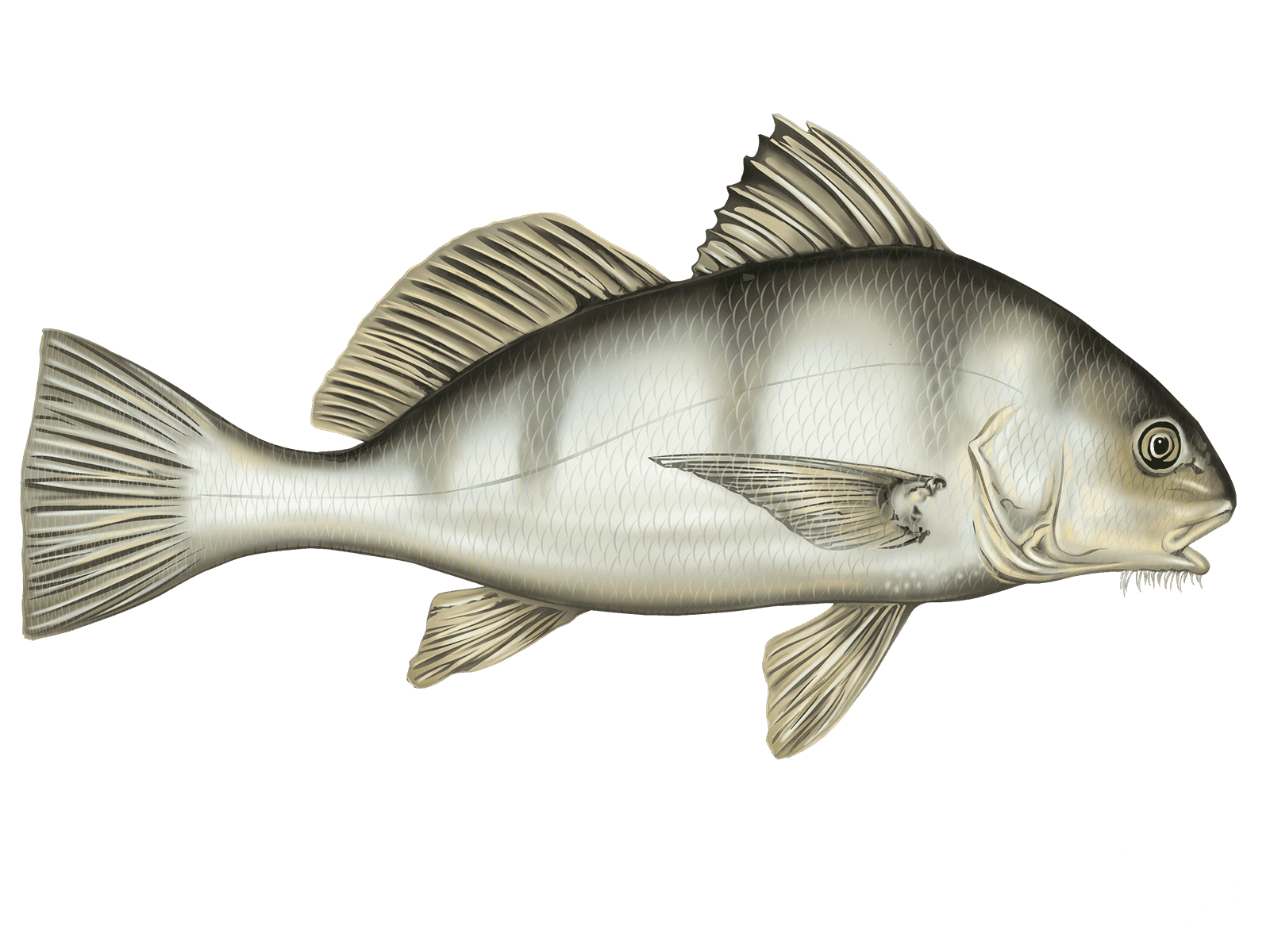
 Black Drum
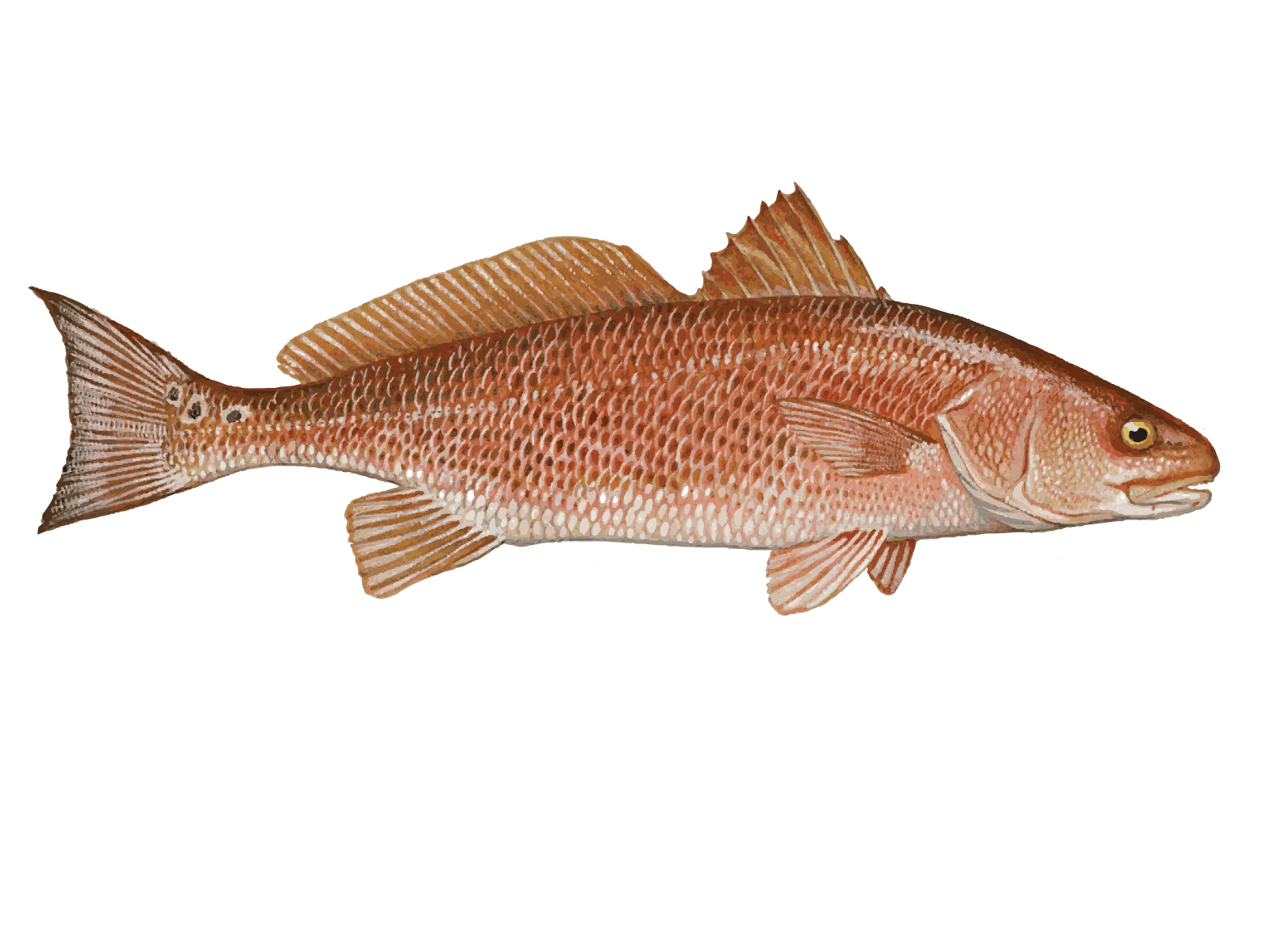
 Redfish
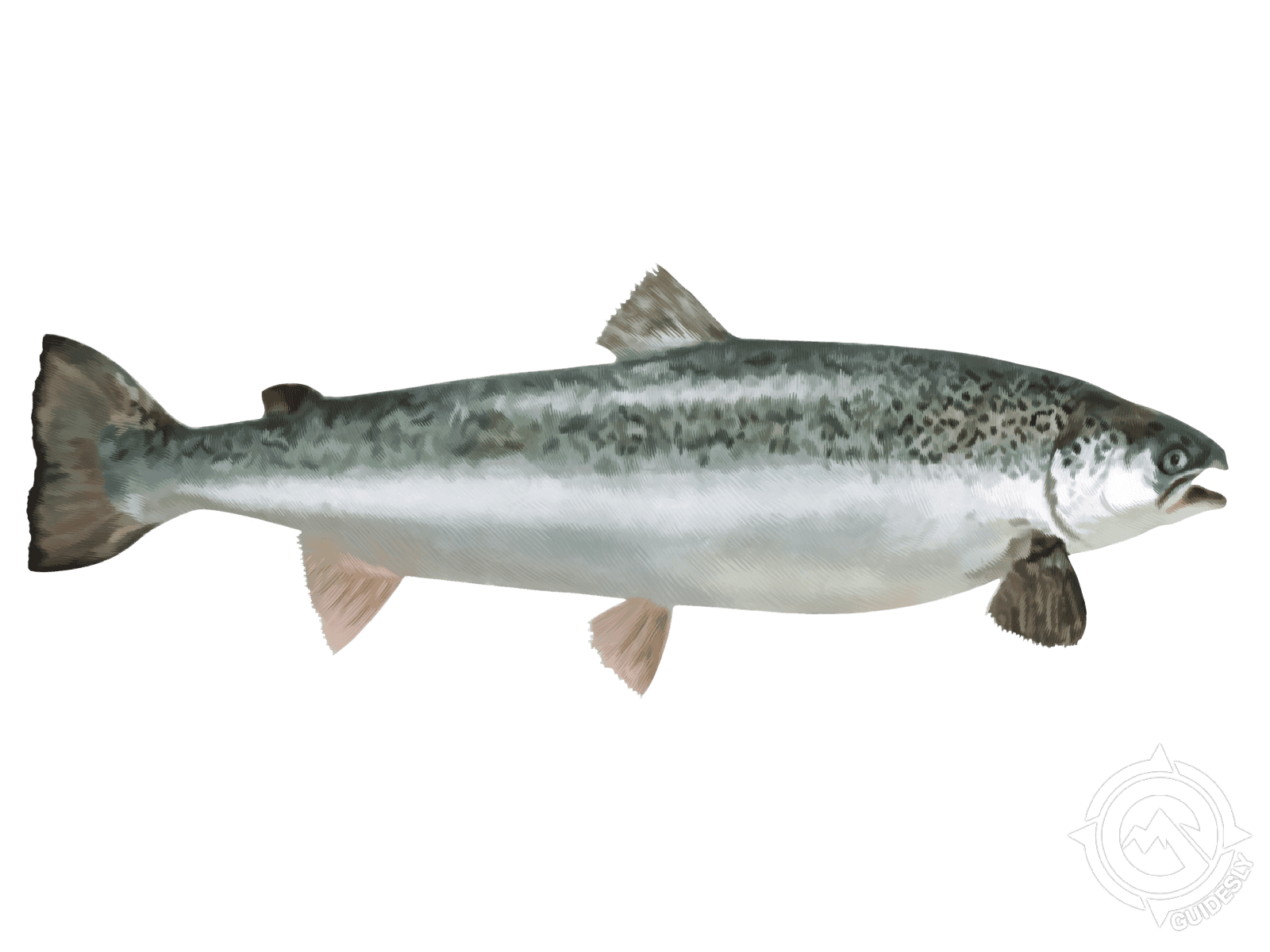
 Sea Trout
 Snook
Snook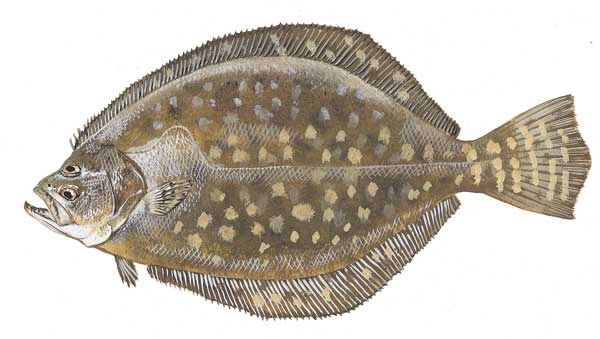 Southern Flounder
- Two-hour guided kayak exploration of Port Aransas wetlands
- Wildlife observation featuring native marine species and migratory birds
- Complete equipment provision with flexible scheduling and departure locations
Trip Pricing and Availabilities:
Guided Kayak Eco Tour Port Aransas
Picture yourself gliding through calm backwaters where herons stalk their breakfast and redfish cruise the shallows just feet from your kayak. This top-rated 2-hour eco tour takes you into the heart of Port Aransas' most pristine wetlands, where every paddle stroke reveals something new. Whether you're a bird enthusiast, nature lover, or just looking to escape the crowds, this intimate wildlife tour delivers the kind of authentic coastal experience that keeps visitors coming back year after year.
What to Expect on the Water
Your adventure kicks off from one of three convenient launch points - Rockport Marina, Fin and Feather Bait Shop, or the historic Lydia Ann Lighthouse. Each location offers its own unique access to the maze of channels, grass flats, and protected coves that make this area a wildlife haven. The beauty of this tour lies in its flexibility - we run daily at times that work for your schedule, and the calm waters make it perfect for first-time paddlers and seasoned kayakers alike. You'll spend two hours exploring areas that motorboats can't reach, getting up close with the creatures that call these waters home. The 10-foot kayaks are stable and comfortable, and with group sizes capped at just six people, you'll get personalized attention from your guide who knows every bend in these waterways. Extensions are available if you're having too much fun to head back - many guests add an extra hour once they see how much wildlife activity happens throughout the day.
Gear & Guided Navigation
Everything you need for a safe, comfortable paddle comes included - a quality 10-foot kayak, properly fitted life vest, and most importantly, expert local guidance. Your guide doesn't just point out wildlife; they know the tidal patterns, seasonal migration routes, and the best spots to quietly observe feeding birds without disturbing them. The shallow-draft kayaks let you slip into skinny water where wading birds hunt and juvenile fish seek shelter in the grass beds. Your guide will position the group for optimal wildlife viewing, often using hand signals to alert you to approaching dolphins or roosting pelicans before you even notice them. The technique here is all about patience and positioning - moving slowly with the current, using the wind to your advantage, and learning to read the water for signs of activity below. Bring your camera in a waterproof case, binoculars for distant bird identification, reef-safe sunscreen, and plenty of water. Pro tip from locals: a wide-brimmed hat and polarized sunglasses will help you spot movement in the water that others might miss.
Wildlife You'll Encounter
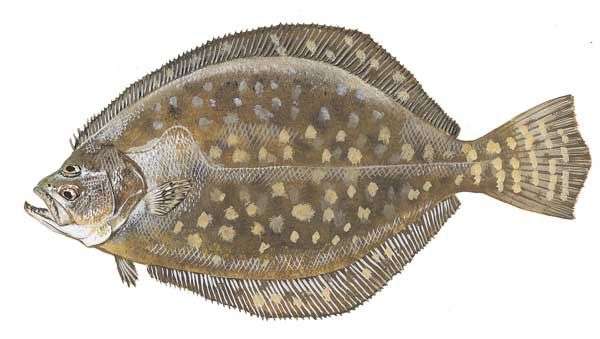
Southern Flounder are masters of disguise, lying perfectly camouflaged on sandy bottoms in the shallows. These flatfish can grow up to 20 inches and are most active during cooler months from October through March. What makes spotting them so rewarding is watching them suddenly explode from what looked like empty sand when a kayak drifts overhead. They're ambush predators that bury themselves with just their eyes exposed, waiting for small fish and crustaceans to wander too close. The thrill for tour guests comes in that split second when the "sand" suddenly comes alive.
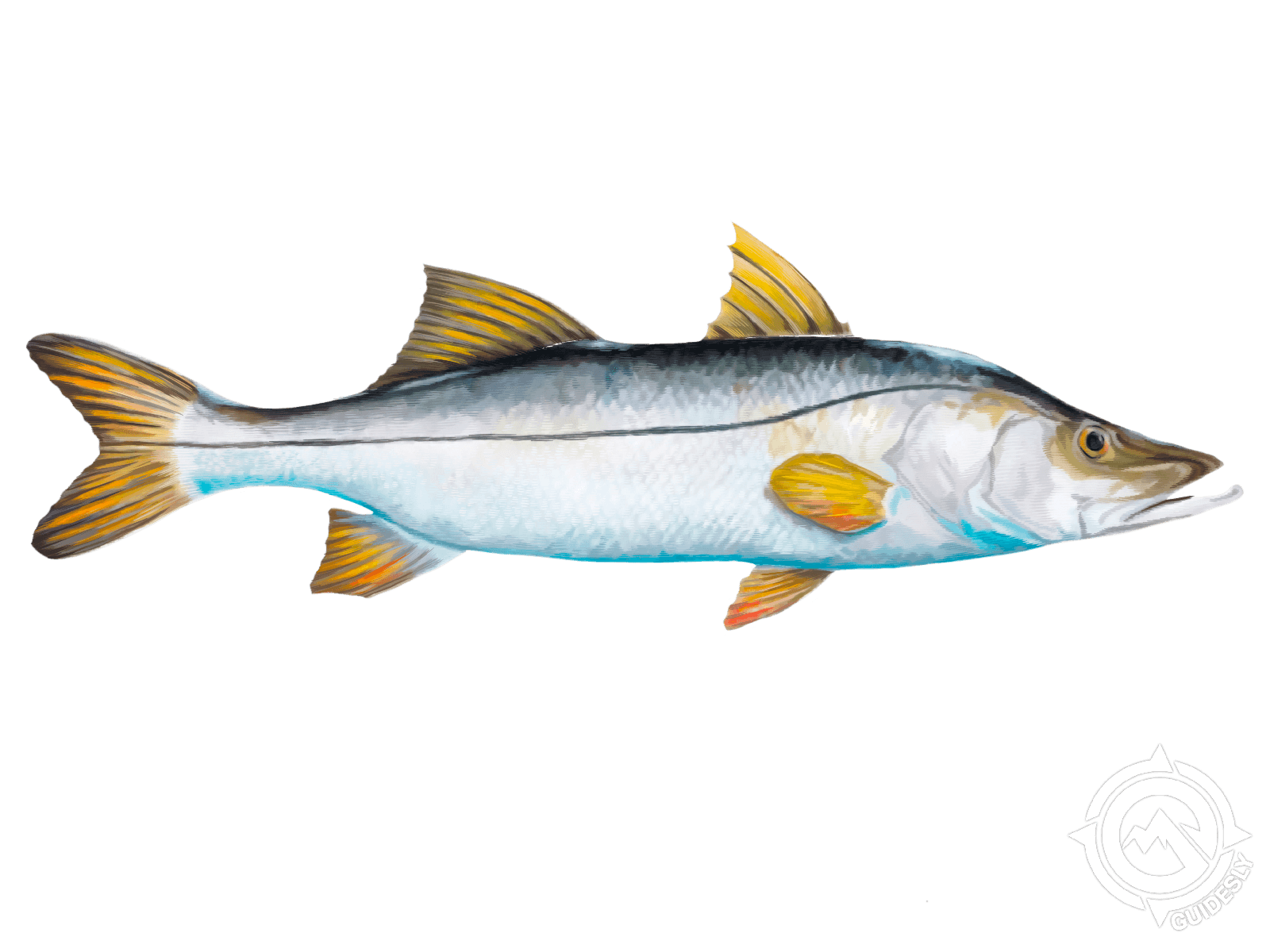
Snook are the silver ghosts of the coastal waters, preferring the brackish areas where freshwater meets salt. These sleek predators can reach 30 inches and are most commonly seen from May through September when water temperatures climb. They love structure - fallen trees, dock pilings, and mangrove roots - making them perfect subjects for kayak tours that can navigate tight spaces. Snook are incredibly temperature sensitive, which is why your timing and local guide knowledge matter so much. Guests get excited when they spot that distinctive black lateral line and the snook's habit of rising to inspect surface disturbances.
Black Drum are the heavyweights of the shallows, with mature fish reaching impressive sizes in the 20-40 pound range. They're year-round residents but most active in spring and fall when they move into the grass flats to feed. These copper-colored bruisers use their barbels to root around in the mud for crabs and worms, often creating muddy trails that experienced guides can follow. The excitement comes from their size and the telltale "tailing" behavior when they feed head-down in shallow water with their tails breaking the surface.
Sea Trout, or spotted seatrout, are the bread and butter of Texas coastal waters. These beautiful fish with their distinctive spots along silver sides are most active during dawn and dusk feeding periods. They prefer grass beds and sandy potholes, making them ideal for kayak observation. Spring and summer months offer the best viewing opportunities when they school up in predictable areas. What guests love about sea trout encounters is their willingness to investigate kayaks, often following along for extended periods, and their acrobatic jumps when hooked by nearby anglers.
Redfish are the crown jewel of Texas coastal waters and the highlight of most eco tours. These bronze beauties with their distinctive black spots near the tail can grow over 30 inches and are legendary for their powerful runs and stubborn fights. They're year-round residents but shine brightest in fall when they school up in massive numbers. Redfish are perfectly adapted to shallow water living, often feeding in water so skinny their backs are exposed. The excitement builds when you spot that telltale copper flash or see their backs cutting through the surface as they hunt crabs and shrimp in the grass. They're curious about kayaks, sometimes approaching within arm's length, creating photo opportunities that wildlife enthusiasts dream about.
Time to Book Your Spot
At $100 per person for two hours of guided wildlife discovery, this eco tour offers world-class value for an authentic Texas coast experience. The intimate group size, flexible scheduling, and expert local guidance create the kind of personalized adventure that turns first-time visitors into regular guests. Whether you're celebrating a special occasion, introducing kids to coastal wildlife, or simply craving a peaceful
Learn more about the animals
Black Drum
Black Drum are the heavyweights of our flats, typically running 5-30 pounds but capable of hitting 90 pounds. These bottom-feeders cruise shallow oyster beds and muddy areas, using their powerful jaws to crush crabs and shellfish. You can actually hear them "drumming" underwater during spring spawning season, which is your best bet for numbers. They're incredibly strong fighters that will test your drag system, and the smaller ones under 15 pounds make excellent table fare with firm, mild meat. What's cool is they'll move into water so shallow their backs show, making for exciting sight-fishing. Best approach: anchor up-current of an oyster reef and drop fresh crab or shrimp right on the bottom. Use heavy enough weight to stay put - these fish won't come up to chase your bait.
Redfish
Redfish are our signature inshore species, easily spotted by their copper-bronze backs and distinctive black spots near the tail. Most run 18-28 inches, but the big "bull" reds can push 40+ inches and 30 pounds. They love super shallow water - often so shallow their backs stick out - cruising oyster bars, grass flats, and shorelines hunting crabs and shrimp. Year-round fishing is good, but fall brings the best action when they school up. Guests get hooked on their powerful runs and stubborn fights, plus they're great table fare when kept at legal size. That black spot tricks predators into attacking the wrong end, giving them an escape advantage. Watch for wakes and tails in skinny water, then cast ahead of cruising fish. Use a gold spoon or soft plastic - but keep it quiet. One splash and they're gone.
Sea Trout
Speckled Trout are our most consistent year-round target, running 14-24 inches with those beautiful spots covering their silver sides. They cruise grass flats and sandy potholes in 2-6 feet of water, feeding heavily on shrimp and small baitfish. Dawn and dusk are magic times, but night fishing under lights can be phenomenal. What guests love is their willingness to hit both live bait and artificials, plus they're some of the best eating fish in our waters - delicate, flaky meat that's perfect for the dinner table. They school up in winter in deeper channels, making for fast action. The trick is working soft plastics or live shrimp under a popping cork over grass beds. Keep it subtle - they can be finicky, and a light touch often makes the difference between a few fish and a limit.
Snook
Snook are the ultimate sight-fishing target with their distinctive black lateral line and golden coloring. Most run 1-3 feet long, but the big females can push 4 feet and really test your gear. They love structure - mangrove shorelines, docks, creek mouths, and anywhere current meets cover in our estuaries. Spring and fall are prime time, especially around new and full moons when they spawn. Guests love them because they're aggressive strikers that jump and make blistering runs, plus they're fantastic eating with firm, white meat. These fish are temperature-sensitive though, so cold fronts shut them down fast. Here's the key: work your lure right along the mangrove roots where they ambush prey. They'll often follow before striking, so don't give up if you see one tailing your bait.
Southern Flounder
Southern Flounder are masters of disguise, burying themselves in sandy and muddy bottoms with both eyes on their left side watching for prey. These flat fish typically run 15-18 inches but can reach over 30 inches. You'll find them in shallow bays, estuaries, and around structure where they ambush shrimp, crabs, and small fish. Fall through early spring offers the best action when they move through our area. What makes them special is their unique appearance and excellent table fare - sweet, flaky white meat that's hard to beat. They put up a solid fight on light tackle too. Pro tip: drift over muddy flats and oyster beds with live shrimp on a Carolina rig, keeping your bait moving slowly along the bottom where they're waiting.
About the Rocky Branch Pelican
%2F%2Fusers%2Feee511d1-1590-40c9-9277-ab7604fe87ea%2Fvehicle_picture%2Frockybranchboat-mrnib70j.jpg&w=1920&q=75)
Vehicle Guest Capacity: 4