%2Ffit-in%2F250x250%2Fguide_websites%2F181443%2Fimages%2F1784209800128rockybranchcharterslogo.png&w=1920&q=100)
/users/eee511d1-1590-40c9-9277-ab7604fe87ea/ratecard/morning-kayak-fishing-trip-rockport2-mrnivzza.jpg)
%2F300x300%2Fusers%2Feee511d1-1590-40c9-9277-ab7604fe87ea%2Fratecard%2Fmorning-kayak-fishing-trip-rockport2-mrnivzza.jpg&w=256&q=75)
%2F300x300%2Fusers%2Feee511d1-1590-40c9-9277-ab7604fe87ea%2Fimages%2Fkayaking-aransas-pass-texas-waterfront-2364.jpg&w=256&q=75)
%2F300x300%2Fusers%2Feee511d1-1590-40c9-9277-ab7604fe87ea%2Fimages%2Faransas-pass-redfish-catch-2790.jpg&w=256&q=75)
%2F300x300%2Fusers%2Feee511d1-1590-40c9-9277-ab7604fe87ea%2Fimages%2Faransas-pass-fishing-catch-2668.jpg&w=256&q=75)
%2F300x300%2Fusers%2Feee511d1-1590-40c9-9277-ab7604fe87ea%2Fimages%2Faransas-pass-redfish-kayak-fishing-2619.jpg&w=256&q=75)
%2F300x300%2Fusers%2Feee511d1-1590-40c9-9277-ab7604fe87ea%2Fimages%2Faransas-pass-speckled-trout-catch-2748.jpg&w=256&q=75)
%2F300x300%2Fusers%2Feee511d1-1590-40c9-9277-ab7604fe87ea%2Fimages%2Faransas-pass-kayak-fishing-adventure-2563.jpg&w=256&q=75)
%2F300x300%2Fusers%2Feee511d1-1590-40c9-9277-ab7604fe87ea%2Fimages%2Faransas-pass-redfish-catch-2679.jpg&w=256&q=75)
%2F300x300%2Fusers%2Feee511d1-1590-40c9-9277-ab7604fe87ea%2Fimages%2Fkayak-fishing-aransas-pass-ready-2562.jpg&w=256&q=75)
%2F300x300%2Fusers%2Feee511d1-1590-40c9-9277-ab7604fe87ea%2Fimages%2Faransas-pass-shallow-water-fishing-2553.jpg&w=256&q=75)
%2F300x300%2Fusers%2Feee511d1-1590-40c9-9277-ab7604fe87ea%2Fimages%2Fblack-drum-aransas-pass-fishing-2622.jpg&w=256&q=75)
Evening Flats Fishing in Aransas Pass
 Rockport, TX
What you will be catching:
 Black Drum
 Redfish
 Sea Trout
 Snook
Snook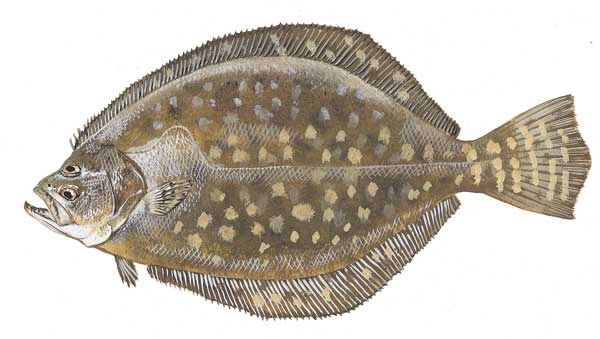 Southern Flounder
- Evening flats fishing targeting redfish, trout, flounder, and snook
- Five-hour guided experience with all equipment provided included
- Accommodates six anglers with professional catch cleaning service
Trip Pricing and Availabilities:
Evening Flats Fishing in Aransas Pass
When the sun starts dropping and most boats are heading back to the dock, that's when the magic really happens on the Texas coast. This 5-hour evening trip launches at 5:30 PM from either Rockport Marina or Fin and Feather Bait Shop, putting you right in the heart of some of the most productive shallow water fishing around Aransas Pass. As the temperature cools and baitfish start moving, you'll be poling through crystal-clear flats targeting redfish, speckled trout, flounder, and snook. Rocky Branch Charters has this evening bite dialed in, and whether you're casting your first line or you've been fishing these waters for decades, this trip delivers consistently hot action when other guides are calling it a day.
What to Expect on the Water
This isn't your typical bay boat charter where you're anchored up waiting for fish to find you. We're talking about sight fishing in skinny water where you can actually see your targets cruising the flats. The 10-foot skiff gets you into water so shallow you could wade it, but the boat gives you the stealth and range to cover prime feeding areas without spooking fish. As evening approaches, water temps drop from the day's heat, and that's when these coastal predators really turn on. You'll be making precise casts to visible fish, working soft plastics along grass edges, and dropping live bait in front of tailing redfish. The whole setup accommodates up to 6 anglers, though with $250 per person, you're looking at a premium experience with top-shelf gear and a captain who knows exactly where fish stack up during the evening feed. All rods, reels, tackle, live bait, and lures come included, plus they'll clean whatever you decide to keep for the dinner table.
Flats Fishing Techniques
Success on the flats comes down to three things: being quiet, making accurate casts, and reading the water. The shallow draft boat gets poled or trolling motor-pushed into position, keeping noise to a minimum while you scan for nervous water, wakes, or actual fish. You'll be throwing everything from topwater plugs early in the trip to soft plastics and live shrimp as light fades. The beauty of evening flats fishing is versatility – one minute you're sight-casting to a school of reds pushing bait against a grass line, the next you're working a deeper cut where flounder ambush passing prey. Live bait gets rigged on jigheads or under popping corks depending on conditions, while artificials range from paddle tails to spoons that flash in the fading light. The guide handles boat positioning and spotting fish, leaving you free to focus on presentation and hook sets. Water clarity in these protected areas means fish can see you just as well as you see them, so accurate first casts make all the difference between limiting out and going home empty-handed.
Top Catches This Season
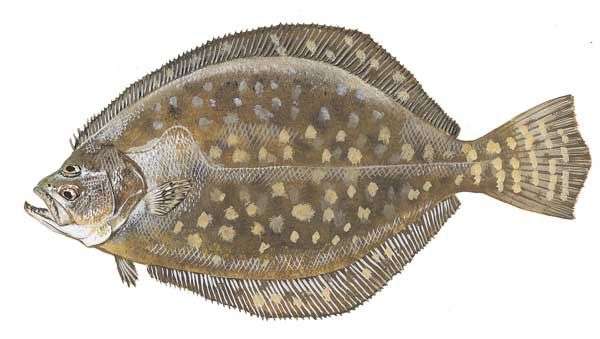
Southern flounder are the bread and butter of evening flats fishing around Aransas Pass, and these flatfish know how to use structure to their advantage. They bury in sand near drop-offs and grass edges, waiting for shrimp, small crabs, and baitfish to swim within striking distance. Most flounder here run 14 to 18 inches, with some doormat-sized fish pushing 20-plus inches during peak season from October through December. What makes them so fun to target is the ambush strike – one second your bait is drifting naturally, the next it just stops dead as a flounder clamps down. They don't fight like a redfish, but that initial thump and the way they try to bury back in the sand keeps things interesting. Plus, they're hands-down some of the best eating fish in Texas waters.
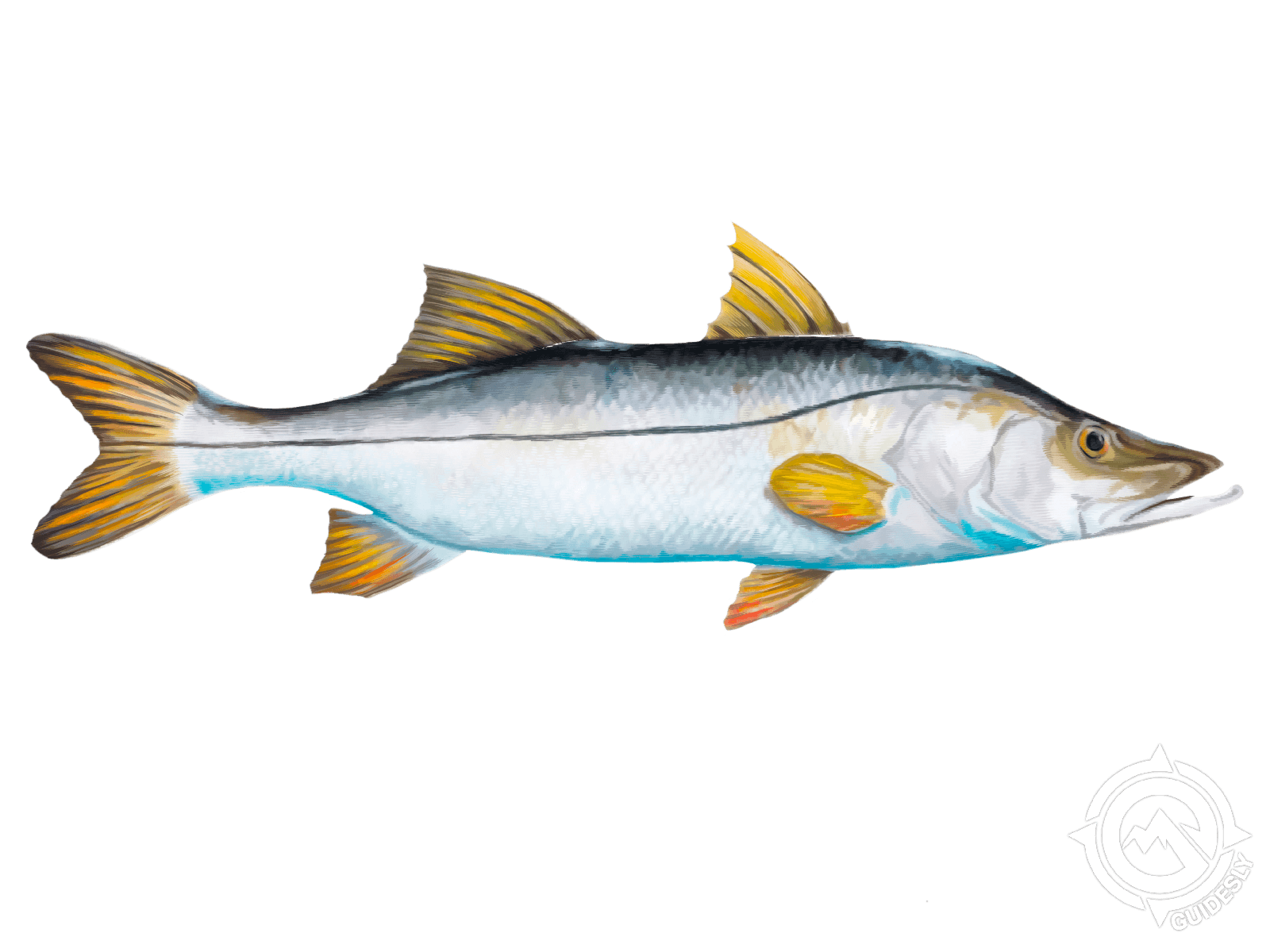
Snook bring a completely different energy to flats fishing, and Aransas Pass sits right in their comfort zone along the middle Texas coast. These fish love structure – think docks, bridge pilings, and mangrove shorelines where they can pin baitfish in tight quarters. Evening hours are prime time because snook feed heavily as light levels drop, making them more aggressive and less spooky than during bright daylight. They typically run 18 to 28 inches in these waters, with their distinctive black lateral line making them easy to identify. What gets anglers fired up about snook is their attitude – they hit hard, jump when hooked, and use every bit of cover available to try breaking you off. Live shrimp fished around structure produces consistently, but throwing topwater plugs near mangrove edges during low light can trigger explosive surface strikes that'll get your heart pumping.
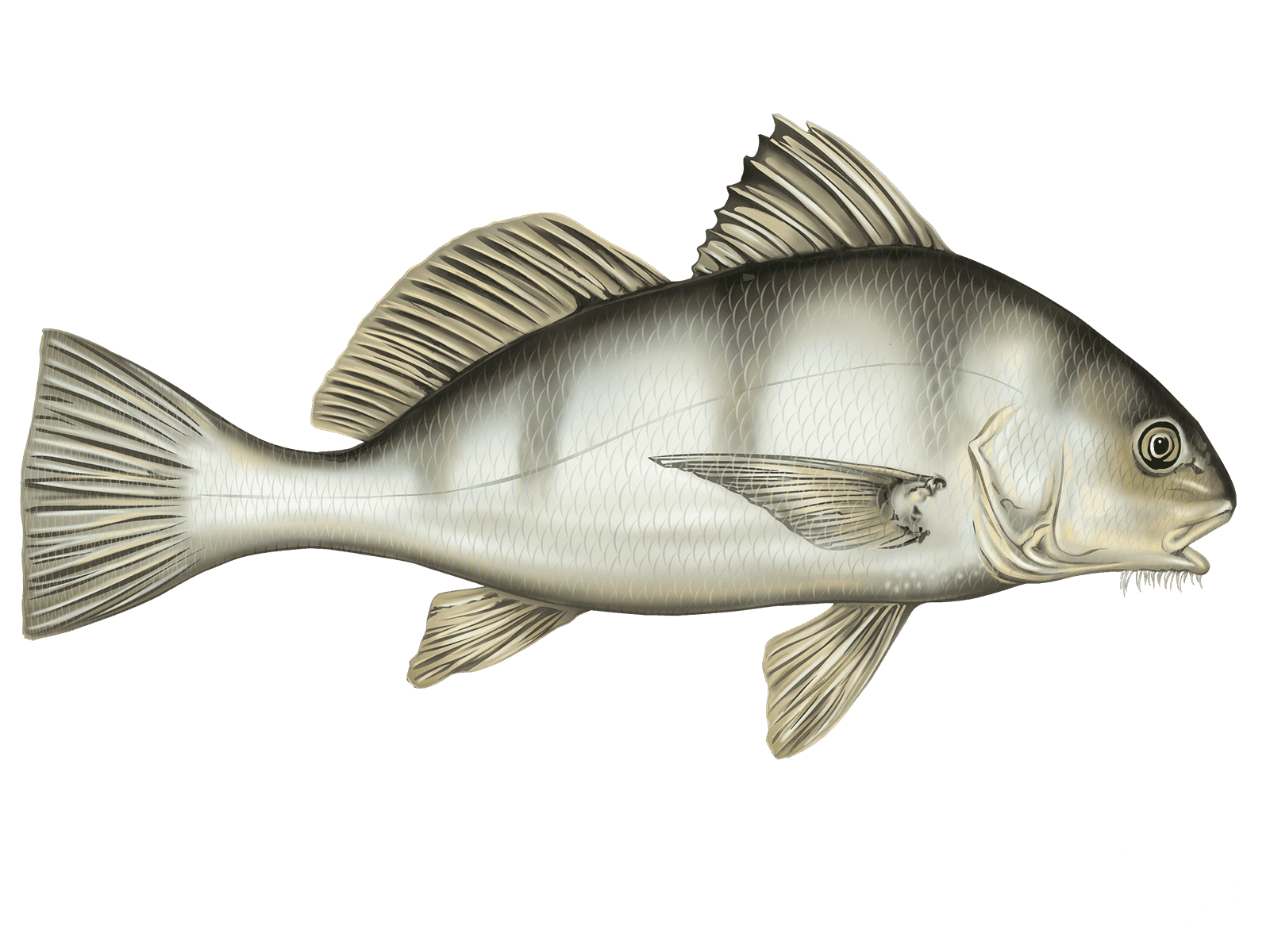
Black drum might not win any beauty contests, but they're absolute bulldogs when it comes to pulling power. These bottom feeders cruise flats looking for crabs, shrimp, and worms, often in water so shallow their backs break the surface. Evening trips target drum in 2 to 4 feet of water where they root around oyster beds and sandy bottoms. Most fish range from 20 to 35 inches, with some real giants pushing 40-plus inches and 30 pounds. They're not fast, but once hooked, black drum use their broad sides and thick bodies to bulldoze toward deeper water or the nearest structure. Blue crab and live shrimp work best, fished on the bottom with enough weight to stay put in current but light enough to feel the subtle pickup when a drum inhales your bait.
Sea trout, or speckled trout as locals call them, are the most consistent biters on evening flats trips and perfect for anglers wanting steady action. These fish school up over grass beds and sandy potholes, feeding on shrimp, small crabs, and glass minnows as water temperatures cool. Specks in this area typically run 14 to 20 inches, with occasional fish pushing the 25-inch mark during spring and fall. They're willing biters that hit both live bait and artificials, making them
Learn more about the species
Black Drum
Black Drum are the bulldozers of our flats - powerful fish that can really test your gear when you hook into a big one. These chunky fighters typically range from 5-30 pounds around here, though giants over 40 pounds show up regularly. They cruise shallow oyster reefs and muddy bottoms using their strong jaws to crush crabs and shellfish. Spring is prime time when they school up for spawning, making them easier to target. You'll hear them "drumming" underwater - a unique sound that gives them their name. Smaller fish under 15 pounds are great eating, while the big bulls are better released. They're not flashy fighters but they'll make long, steady runs that'll wear you out. Here's my go-to tip: use fresh blue crab on a Carolina rig and fish it dead still on the bottom near oyster bars.
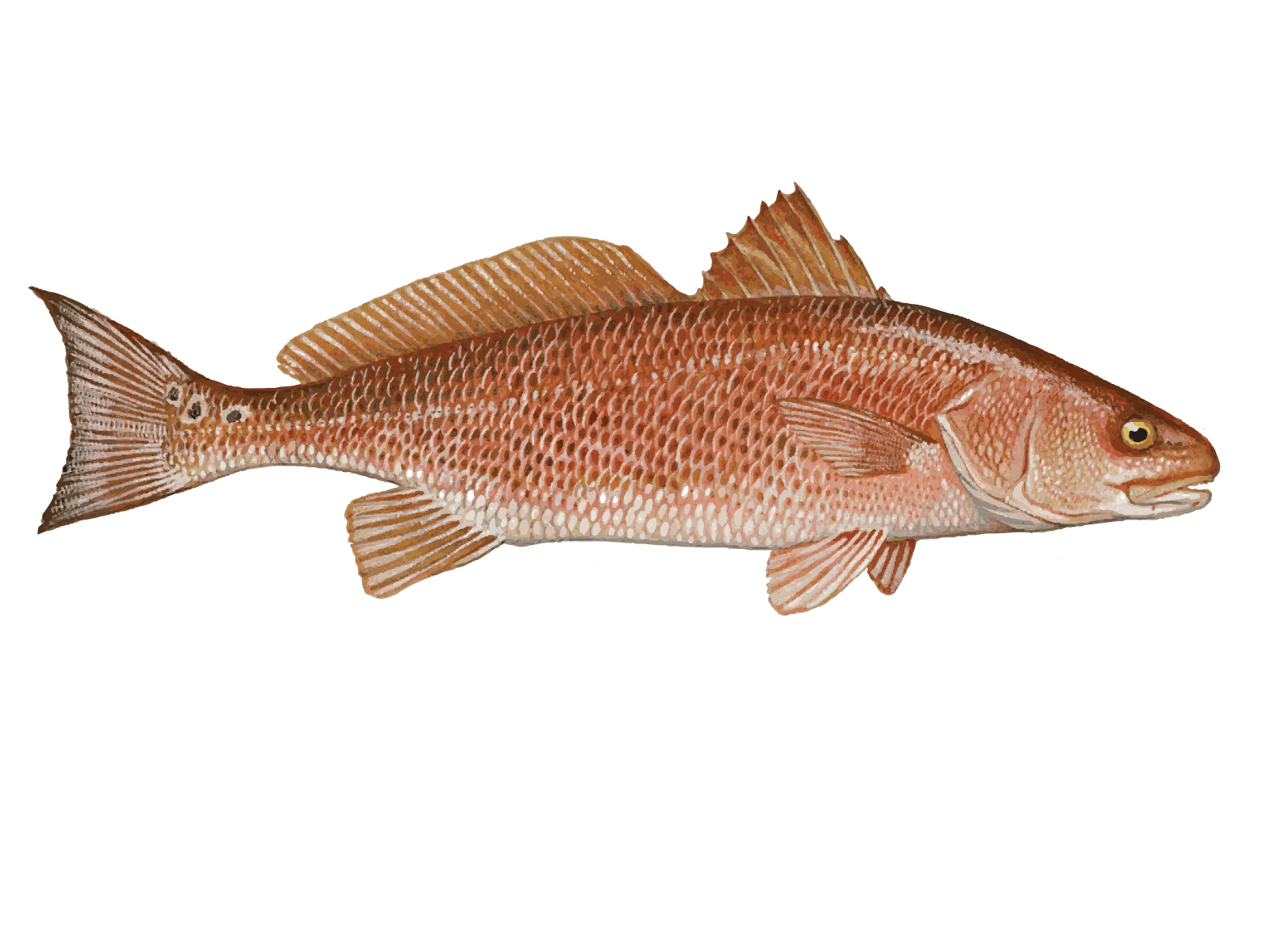
Redfish
Redfish are our signature species - copper-colored bruisers with distinctive black spots that provide some of the most exciting shallow water fishing around. Most fish we target run 20-28 inches, perfect eating size with sweet, firm meat. They cruise incredibly shallow flats, often with their backs out of the water, feeding on crabs and shrimp around grass beds and oyster bars. Year-round fishing is good, but fall brings the best action when they school up and feed aggressively. What makes them special is the sight fishing aspect - watching a red's wake push across a flat before making your cast is pure adrenaline. They fight hard with long runs and head shakes that'll test your drag. Local tip: look for "muds" - cloudy water where reds are rooting around feeding. Cast just ahead of the disturbance and work your bait slowly through it.
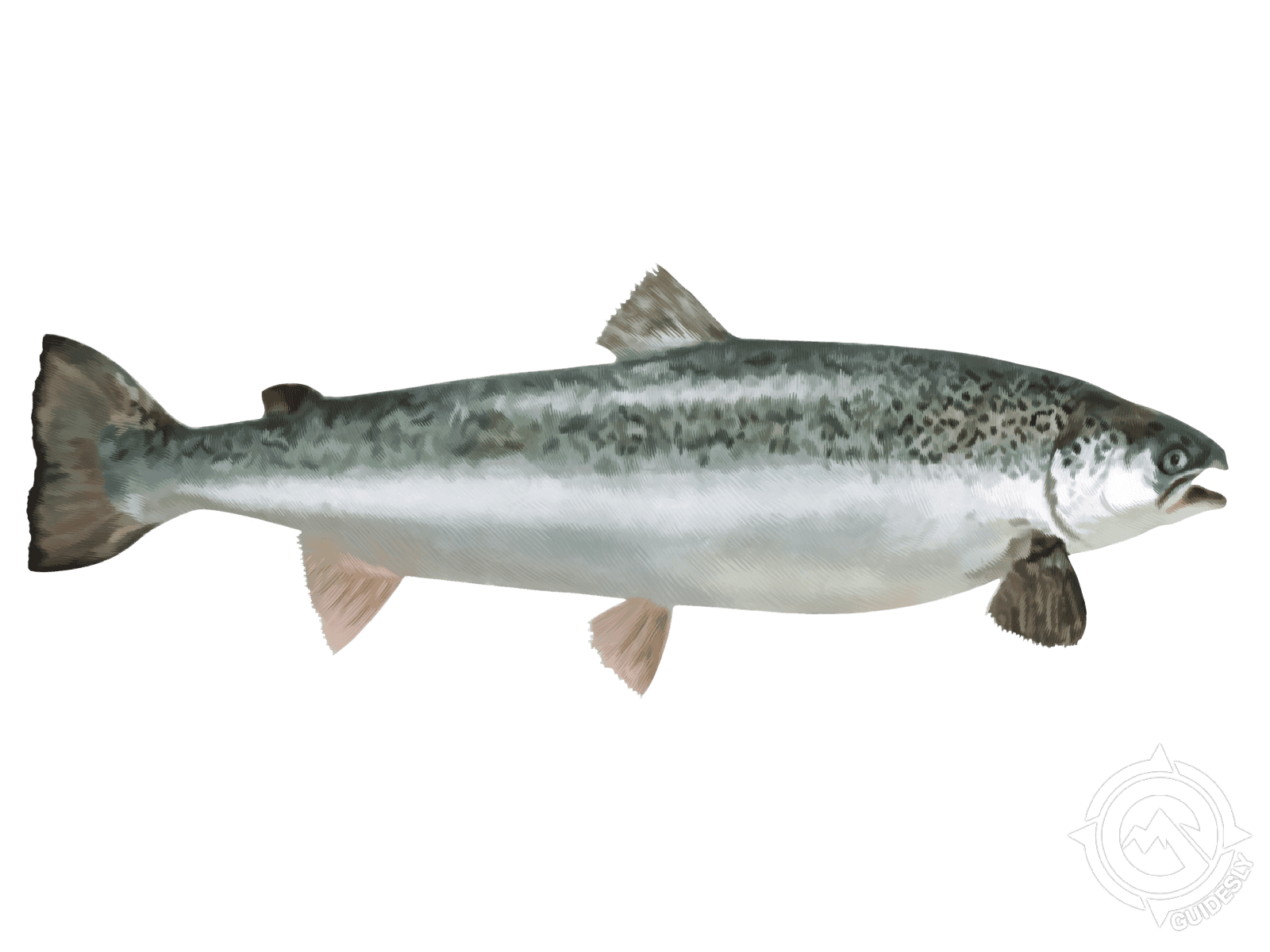
Sea Trout
Speckled Trout are our bread-and-butter fish - beautiful spotted gamefish that consistently bite and make excellent table fare. Most run 14-18 inches with occasional 20+ inch "gator trout" that really get your heart pumping. They love grass flats, drop-offs, and areas with good current flow where they can ambush shrimp and small baitfish. Evening trips are perfect since they often feed more aggressively as light fades. What guests love most is their willingness to hit both live bait and artificials, plus their delicate white meat that flakes perfectly. They're not the strongest fighters, but their beautiful golden sides with distinct black spots make every catch photogenic. My local trick: work topwater plugs over grass beds just before dark - when they blow up on surface baits, it's pure magic that never gets old.
Snook
Snook are the saltwater equivalent of largemouth bass - aggressive predators that love ambushing prey around structure. Most fish we catch run 18-28 inches, but these beauties can grow past 30 inches and fight like fish twice their size. You'll find them around docks, mangroves, and bridge pilings where they use cover to their advantage. They're temperature sensitive, so our best fishing happens during warmer months when they're actively feeding in the shallows. Guests love their explosive strikes and bulldogging runs that'll test your drag. The distinctive black lateral line makes them easy to identify, and smaller ones are excellent eating with firm, white meat. Pro tip: cast past the structure and work your lure back through the strike zone - they rarely chase a bait, preferring to attack from their hiding spots.
Southern Flounder
Southern Flounder are unique flatfish that live buried in sand and mud, perfectly camouflaged until they ambush passing prey. These "left-eyed" fish typically run 15-18 inches, though keepers around here can push 20+ inches and several pounds. They love shallow bays, grass flats, and around structure where small fish and shrimp gather. Fall and winter are prime time when they move through our passes heading to deeper water to spawn. What makes them special is the challenge - you're sight fishing for fish that are masters of disguise, plus they're fantastic table fare with sweet, flaky meat. My trick: look for slight depressions or "puffs" of sand on the bottom, and work your bait slow right along the edges of grass beds where they like to hide.
About the Rocky Branch Pelican
%2F%2Fusers%2Feee511d1-1590-40c9-9277-ab7604fe87ea%2Fvehicle_picture%2Frockybranchboat-mrnib70j.jpg&w=1920&q=75)
Vehicle Guest Capacity: 4